



How Miraiyo and wpRigel Work Together to Solve Real WordPress Problems

The WordPress ecosystem doesn’t really grow through announcements or partnerships.
It grows through people helping users solve problems.
Most meaningful connections between agencies and product teams don’t start with emails or deals. They start when users ask for something better, and both sides happen to be working toward the same goal.
That’s exactly how Miraiyo and wpRigel crossed paths- not as partners, but as teams serving the same WordPress users from different angles.
This article isn’t about promoting tools. It’s about showing how real collaboration happens in WordPress when agencies, products, and users align naturally.
Meet Miraiyo: A Smart WordPress Marketing Agency

Miraiyo is a WordPress agency that approaches client work with a product mindset, not a project-only mindset. Their focus goes beyond shipping websites. They help businesses design, build, and evolve WordPress-based products that are meant to grow, adapt, and perform over time.
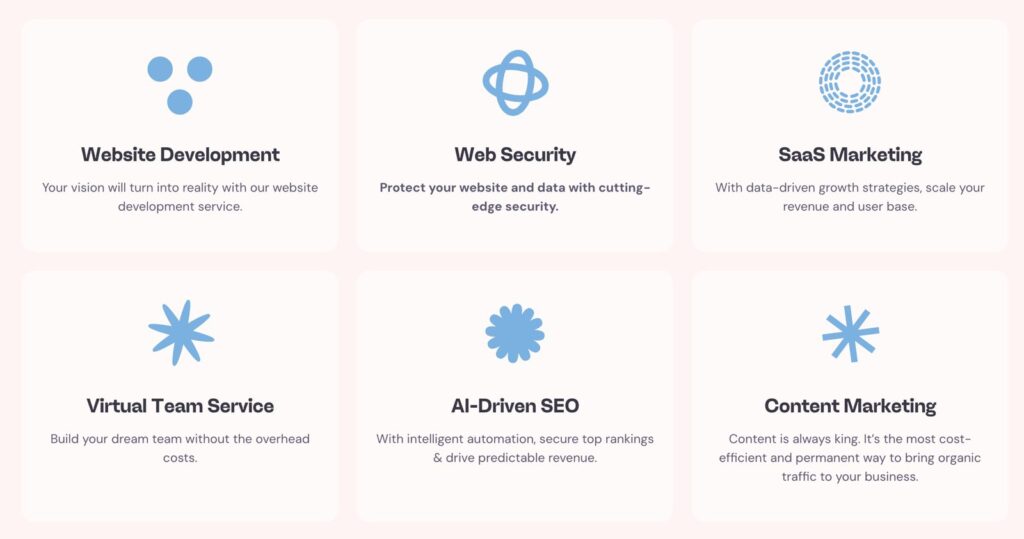
The core services by Miraiyo team are-
- WordPress Site development and Web Security
- AI-driven SEO and Technical SEO Audit
- Content Marketing
- Virtual Team Service/Offshore team
- A-Z SaaS Marketing
Rather than positioning themselves as a “theme customization” shop, Miraiyo works closely with startups, SaaS companies, and growing businesses that treat their WordPress site as a core part of their product or platform.
What stands out is how much attention they give to what happens after launch. For Miraiyo, success isn’t just a polished frontend. It’s whether teams can actually manage content, interact with users, and operate WordPress comfortably day to day.
That focus naturally shapes the kinds of problems they care about — and the tools they choose to work with.
The Real WordPress Problems Miraiyo Encounters in Client Work
Through their client work, Miraiyo repeatedly sees the same set of challenges surface- regardless of industry or site size.
Many clients come in with WordPress sites that technically “work,” but feel difficult to operate once real users and internal teams get involved. Engagement is often lower than expected. Admin workflows feel cluttered. Simple tasks take longer than they should.
Some of the most common issues they encounter include:
- Users interacting with content passively instead of engaging
- Teams struggling to gather feedback or validate ideas
- Clients feeling overwhelmed by WordPress admin as the site grows
- Editors and non-technical users avoiding the dashboard altogether
These are not problems that can be solved with custom code alone. They are experience and workflow problems.
Miraiyo recognized early on that building better WordPress products meant thinking beyond layout and performance. It meant helping clients:
- Engage users in simple, native ways
- Reduce friction inside the WordPress admin
- Make WordPress feel approachable, not intimidating
That shift in thinking is what eventually led them to tools that focus on usability, feedback, and productivity, rather than just features.
How wpRigel Entered the Picture
Miraiyo didn’t discover wpRigel through outreach or promotion. They encountered the tools the same way many agencies do- through user needs.
Some clients wanted simple, privacy-friendly ways to engage users without heavy survey platforms. Others needed faster ways to navigate WordPress admin without getting lost in menus.
Those conversations led Miraiyo to explore tools their clients were already asking about, including Pollify and Commandify.
What mattered wasn’t the feature list. It was whether these tools could support real workflows without adding complexity.
Supporting Existing Workflows, Not Replacing Them
One important thing Miraiyo appreciated early on was that wpRigel’s tools didn’t try to redefine how WordPress works.
Pollify fit naturally into content-driven sites where engagement mattered. It didn’t require external dashboards or data lock-in. Clients could run polls directly inside WordPress and understand results without training.
Commandify approached a different problem. It didn’t change WordPress admin. It reduced friction inside it. For teams managing content, users, and settings daily, that difference was immediately noticeable.
In both cases, the tools supported how Miraiyo already worked- they didn’t force a new process.
A Shared Philosophy: Make WordPress Easier for Real Users
This is where the collaboration felt natural.
Miraiyo focuses on building WordPress solutions that clients can actually use. wpRigel focuses on building tools that respect WordPress workflows instead of fighting them.
That overlap created a feedback loop:
- Miraiyo shared real-world usage insights
- wpRigel listened to how agencies and users actually work
- Improvements flowed back into the tools
No contracts. No announcements. Just practical collaboration.
How User Feedback Naturally Connected Miraiyo and wpRigel
What made the collaboration between Miraiyo and wpRigel feel natural was that it didn’t start with tools. It started with users asking better questions.
As Miraiyo worked with clients across different WordPress projects, similar requests kept coming up. Teams wanted simple ways to understand what users thought. Editors wanted to move faster inside WordPress without relying on technical help. Clients wanted tools that felt native instead of bolted on.

Rather than forcing custom solutions for every request, Miraiyo began looking at what their users were already comfortable with inside WordPress. That exploration led them to tools built with the same philosophy they applied to their own work: reduce friction, respect workflows, and avoid unnecessary complexity.
That’s how wpRigel’s products entered the picture — not as a recommendation, but as a response to real usage needs.
How Pollify Fit Into Client Engagement Without Changing the Stack
One recurring challenge Miraiyo saw was low or unclear user engagement. Clients wanted feedback, but traditional survey tools felt heavy, external, or disconnected from the content itself.
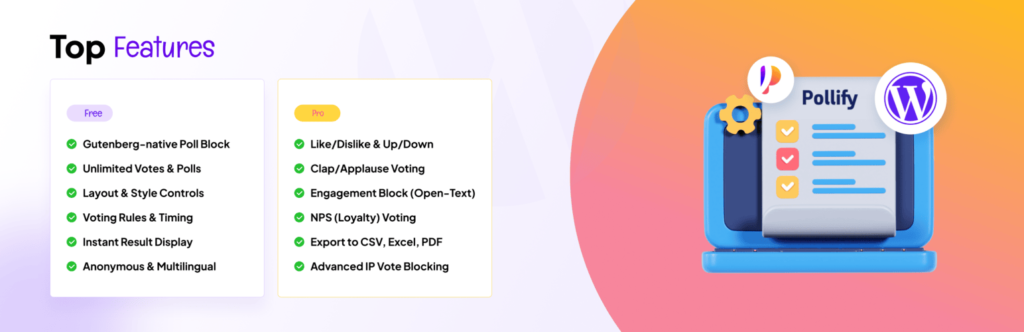
This is where Pollify stood out.
Pollify didn’t introduce a new system for users to learn. It worked directly inside WordPress, allowing simple polls to live alongside existing content. For Miraiyo’s clients, that meant:
- No external dashboards to manage
- No extra accounts for teams
- No complex onboarding for users
From an agency perspective, this mattered. Pollify didn’t change how Miraiyo built sites. It complemented their existing approach by adding lightweight engagement where it made sense.
More importantly, clients could finally validate ideas quickly, without needing full redesigns or guesswork. Feedback became part of the content experience, not an afterthought.
Where Commandify Made a Bigger Difference Than Expected
While Pollify addressed user-facing engagement, another set of problems lived entirely inside the WordPress admin.
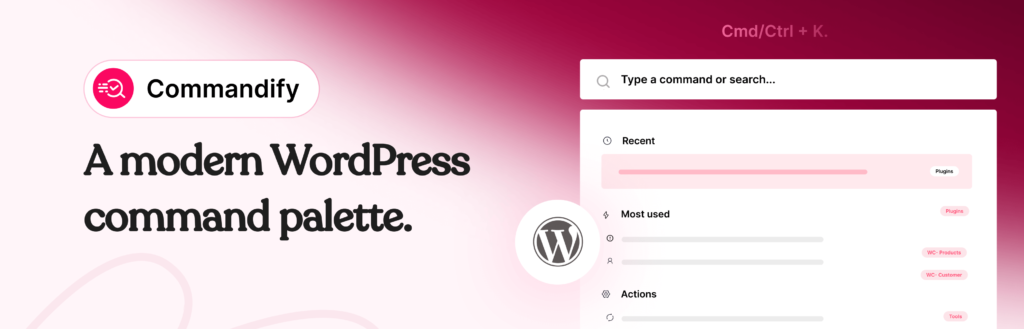
As client sites grew, teams spent more time navigating menus, searching for settings, and switching between screens. These were not “broken” workflows — they were just slow at scale.
That’s where Commandify quietly changed how Miraiyo’s team interacted with WordPress.
Commandify didn’t require retraining or setup-heavy processes. It simply gave teams a faster way to reach what they already needed. For Miraiyo, this translated into:
- Less time explaining WordPress admin to clients
- Faster internal workflows during development and support
- Reduced friction for non-technical users managing content
What stood out wasn’t a single feature. It was the cumulative effect of saving seconds repeatedly throughout the day.
Feedback From the Miraiyo Founders on wpRigel Products
When asked about their experience, the Miraiyo team didn’t frame it in terms of features. They talked about how the tools felt to use.
They described Commandify as something that “made WordPress feel lighter,” especially for teams managing content daily. Instead of digging through menus, they could focus on tasks.
“Commandify feels like the missing shortcut WordPress should have had. From editing Elementor or Bricks templates to managing WooCommerce orders and even CF7 forms, everything becomes one keystroke away. It’s a huge win for anyone running multiple sites or handling large workflows.” –Adrita Chakraborty, CEO & Co-founder at Miraiyo
Pollify, on the other hand, was appreciated for how unobtrusive it felt. Clients didn’t see it as “another plugin.” They saw it as a natural extension of their content.
“Pollify makes it effortless to add polls, surveys, and feedback blocks anywhere in WordPress. With options like NPS scoring, up/down voting, engagement blocks, and easy exports to CSV, PDF, and Excel, it delivers real value for site owners who want actionable insights, not just basic votes.”- Jil Kabir, Co-founder & CTO at Miraiyo
That distinction mattered. Tools that blend into workflows tend to last longer than tools that demand attention.
Why This Wasn’t a Partnership And Why That Matters
It’s important to be clear: this wasn’t a partnership announcement or a formal collaboration.
Miraiyo didn’t adopt wpRigel tools because of branding or incentives. They used them because they solved real problems their clients were already talking about.
From wpRigel’s side, the value came from listening. Feedback from agencies like Miraiyo helped shape how features evolved, which workflows mattered most, and where WordPress friction actually lives in day-to-day use.
This kind of relationship is common in healthy tech ecosystems, but rarely talked about openly. It’s not transactional. It’s iterative.
A Shared View of the WordPress Ecosystem
What connects Miraiyo and wpRigel is not a product roadmap. It’s a shared understanding of WordPress users.
Both teams see WordPress as:
- A platform used by non-technical people
- A system that grows messy without good workflows
- An ecosystem that improves when tools respect how people actually work
That alignment made collaboration feel less like integration and more like mutual problem-solving.
Why This Story Matters to Other Agencies and Teams
This isn’t about telling agencies they should use specific tools. It’s about showing what happens when agencies:
- Listen closely to users
- Avoid overengineering solutions
- Choose tools that reduce friction instead of adding layers
Miraiyo’s experience reflects a broader truth: the best tools are often discovered through use, not promotion.
Closing Thoughts
WordPress works best when agencies, product teams, and users learn from each other.
Miraiyo’s story isn’t about adopting tools. It’s about responding thoughtfully to real problems and choosing solutions that make WordPress easier for everyone involved.
That’s how collaboration in the WordPress ecosystem is supposed to work.